Success, Embarrassment, and the Cost of Becoming Someone.


There are public figures whose stories I respect but whose presence I recoil from. At the top of that list are Logan and Jake Paul. Their achievements, whether in content creation, business, or sport, are undeniable. They have outpaced most of their peers in reinvention, marketing, and impact. And yet, I cannot separate their success from the version of themselves they presented to earn it. That dissonance is not just about taste. It is something deeper, something psychological. It is the struggle of witnessing success built through performance and wondering what it would cost to follow that same path.
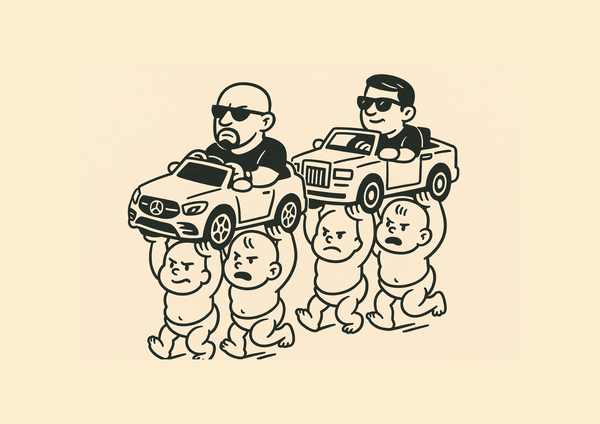
What bothers me is not that they made it. It is how they made it: through noise, conflict, and caricature. The Paul brothers became household names not for who they are but for the personas they projected. They were brash, confrontational, and unfiltered. These qualities were not byproducts of their success. They were the strategy. The shock, the viral missteps, the arrogance…..these were not incidental. They were the product.
And here lies the internal dilemma. I respect the journey, the relentlessness, and the consistency it takes to build an empire in a digital landscape that rewards short attention spans. But that respect runs parallel to something else: a quiet shame. This shame is not directed at them, but inward, at the part of me that asks, “Would I do the same if it meant I could win too?”
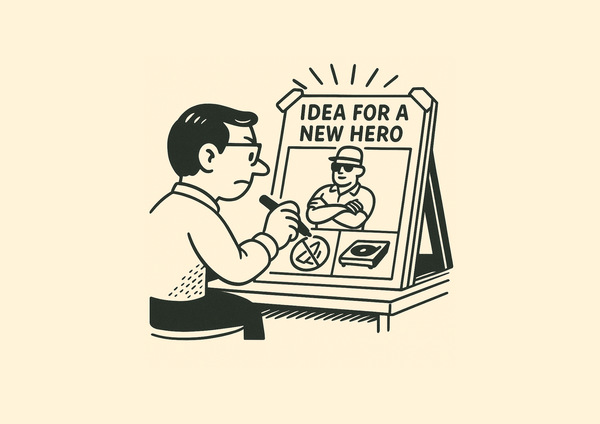
Psychologically, this is the clash between two frameworks: the aspirational self and the moral self. The aspirational self is drawn to power, reach, and recognition. It sees a blueprint in the Pauls’ rise. It wonders how close I would need to come to that edge to create a similar outcome. But the moral self, my internal compass, does not want to pay the price of visibility through compromise. It is embarrassed by the tactics, repelled by the spectacle, and silently hopes for a more honest path to the same summit.
This friction creates cognitive dissonance. On one hand, I want to believe in authenticity, integrity, and grace. On the other, I know that modern success, especially on the internet, often demands a transaction of dignity for attention. So when I see the Paul brothers’ public image, which is loud, performative, and unrepentantly self-serving, I feel both disgust and a strange, uncomfortable envy. I know I could never do that. And maybe part of me resents that they could, and did, and won.
I also catch myself playing out a hypothetical. What if I met them, and they liked me? Would I suppress my judgment, laugh at the jokes, and subconsciously seek approval from the same machinery I claim to critique? Or would I say something, make a joke, or offer a moral jab? Which version of me would show up…..the man who wants to belong, or the man who wants to stand for something?
The truth is, I do not know. And that not knowing feels like the real tension. We often say we hate the game, not the player. But in this case, the game is the player. The image, the controversy, the algorithmic dominance is what made the success possible. If you strip that away, there is no story to tell. There are no headlines, no millions, and no redemption arc. There are just two guys trying to be heard in a world that demands you yell louder than everyone else.
So what do we do with this? Do we condemn the model or admit that it works and simply is not for us? Do we find a way to integrate ambition with values, or do we quietly watch from the sidelines, clinging to ideals that may never scale?
Maybe the answer is not to judge too quickly or admire too blindly. Maybe it is to hold both truths at once. The Pauls have succeeded by every external metric: wealth, relevance, and reinvention. But the internal cost, and the culture it reinforces, is something that leaves many of us unsure whether we are witnessing a blueprint or a cautionary tale.
In the end, my discomfort is not really about them. It is about me. It is about the boundaries I draw between who I want to be and what I am willing to do to get there. And the deeper realization that sometimes, success can be as embarrassing as it is impressive, depending entirely on the route taken to reach it.